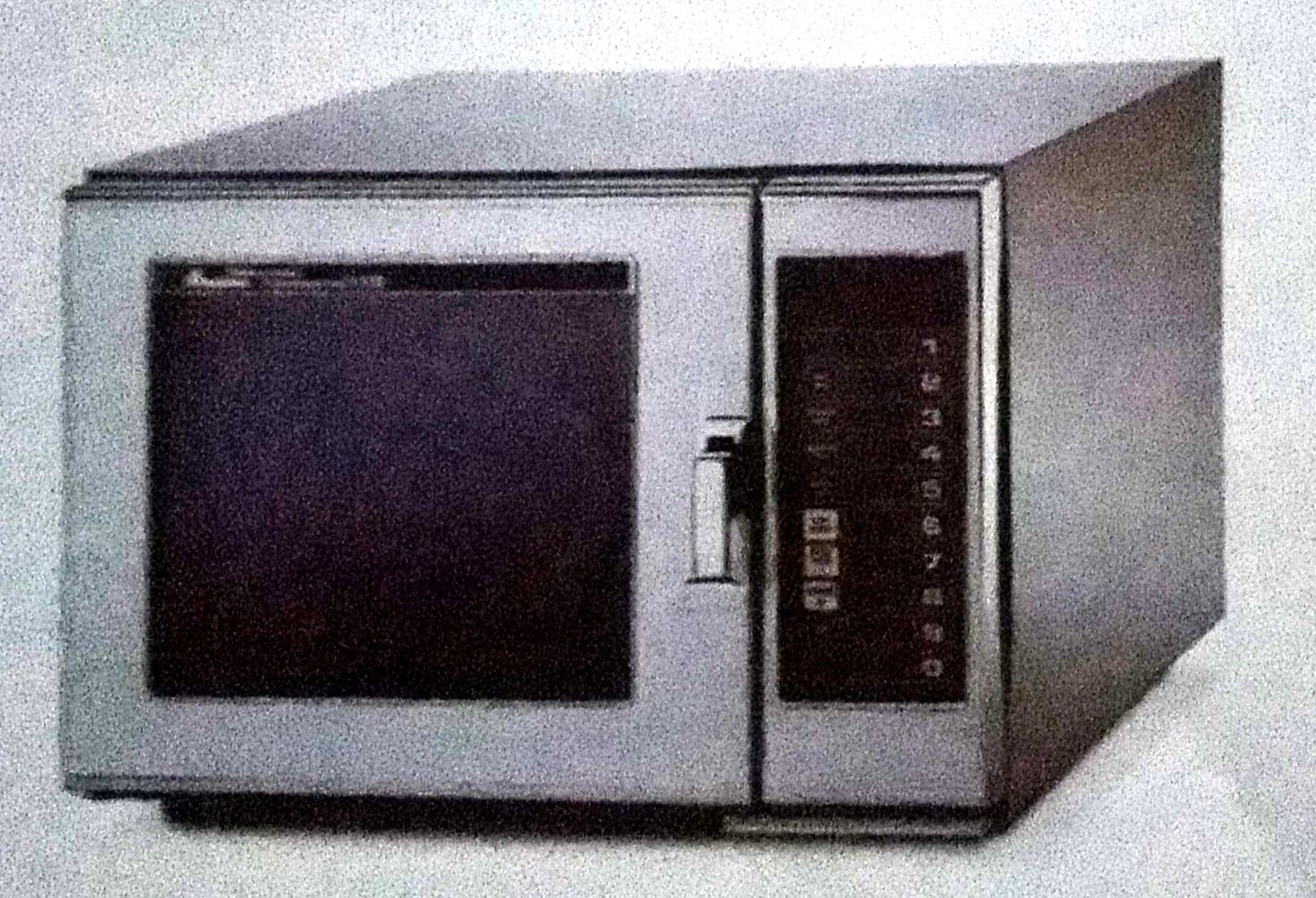
Microwave cooking
Microwaves are similar to the waves that carry television signals, but are at a higher frequency
Follow these guidelines when using a microwave Oven:
A. Use glass, ceramic or plastic containers for food. Do ot use metal unless the oven manufacturer
states that you can
B. For the test results, use round, shallow containers with straight sides.
C. Keep food level, do rot pile it up in mounds
D. Leave enough space in the container to allow the food to be stirred.
E. Cover most foods during cooking, eg with microwave clingfilm, This helps the food cook quickly and stay moist. It also prevents splashing
and condensation in the oven.
F. Some foods, and some container materials, absorb energy faster than others this means they will heat up more quickly.
G. Food with a high water content will cook more quickly than dry food.
H. The colder the food is to start with, the longer it will take to heat up.
I. The denser the food is, the longer it will take to heat up. Turn dense foods (e.g. potatoes) during cooking.
J. Thick or deep food is more difficult to heat through, because microwaves only penetrate 5 cm from each side of the food.
K. The weight or quantity of food in the oven will affect the cooking time
necessary.
L. The shape of the food (eg. a liquid could be in a tall container or a low
flat one) will affect the cooking time.
M. Even-shaped items of food will cook uniformly throughout. If items are an uneven shape, arrange them with the thickest part at the outside of
the dish.
If there is a large quantity of food, or it is very dense or frozen, it is a good idea to heat it in stages, with rest intervals in between.
Microwave ovens cook more quickly round the edges of the food than in
the middle so food should be stireod during cooking, if possible, to ensure
even cooking. For dishes that cannot be stirred:
1) Rotate the dish by a quarter turn occasionally.
2) Place small pieces of microwave cíingfiim over the parts that are
cooking before others.
3) Use even-shaped containers and food of uniform thickness, no more
than 5 cm.
4) Arrange small items or dishes in a circle and turn each one during
cooking.
Generally, it is better to undercook food than to overcook it. However,
for food safety reasons items such as meat and poultry must reach the
correct core temperature when they are cooked and reheated: use a
thermometer (probe) to check.
Health and safety
1) Follow manufacturer’s instructions.
2) Do not run a microwave oven when it is empty.
3) Remove clingfilm covers carefully
from hot dishes as steam builds up under the film. Pull the clingfilm towards you, so that the stem escapes in the other direction.
4) Microwavable plastic pouches
need to be cut open after cooking. They will be hot and soft so need handling with care. Put the pouch on a plate before cutting it open.
5) Microwave ovens should be
inspected/tested regularly.
6) If the door seal is damaged, do
not use the microwave.
 Site Title